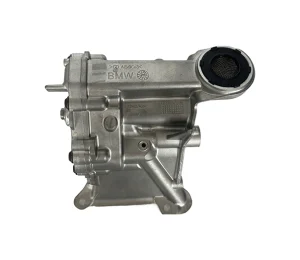
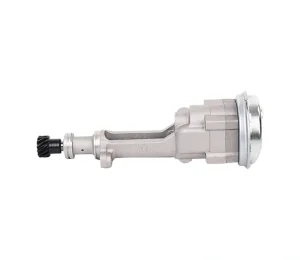
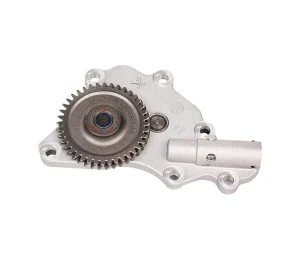
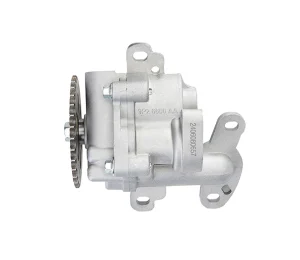
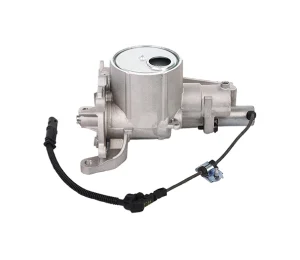
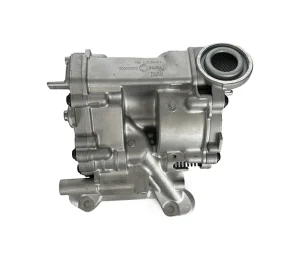
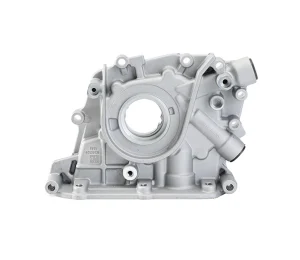
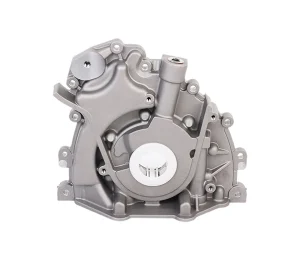
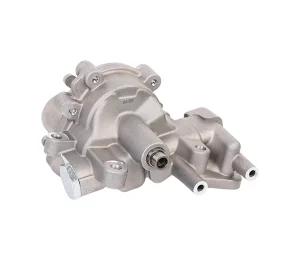
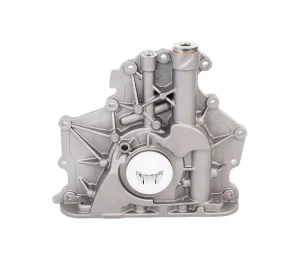
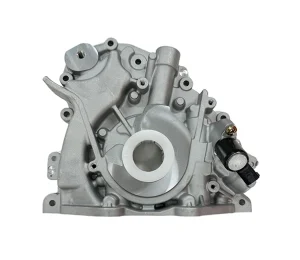
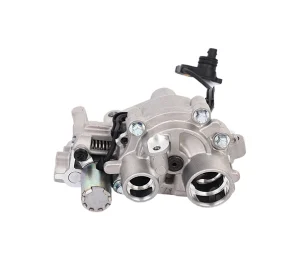
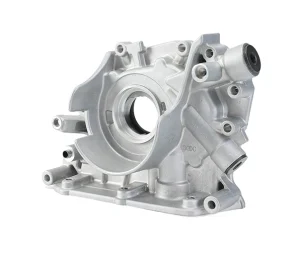
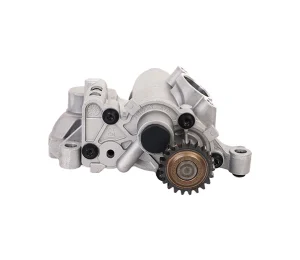
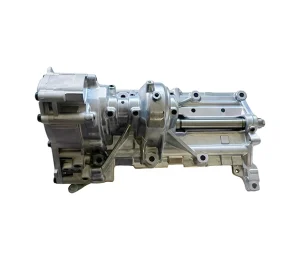
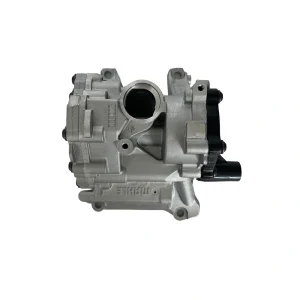
Wellgine supports engine oil pump sourcing through OE-reference review, engine-code confirmation, pump-structure comparison and product-photo assessment. Buyers can also submit samples or technical drawings where additional application confirmation is required.
How to Match an Engine Oil Pump
Oil pump selection should be based on OE and engine information together with the physical structure of the pump assembly. B2B buyers should confirm the following points before ordering.
For a step-by-step procurement workflow, review our guide on how to source an engine oil pump by OE number, engine code and vehicle application.
| Confirmation point |
Why it matters |
| OE or reference number |
Provides the initial cross-reference |
| Engine code |
Separates engine families and generations |
| Vehicle application |
Confirms the model and production context |
| Pump drive type |
Confirms chain, gear, crankshaft or integrated drive |
| Housing shape |
Helps distinguish similar applications |
| Mounting points |
Confirms physical installation |
| Inlet and outlet position |
Confirms oil-passage alignment |
| Pickup arrangement |
Identifies integrated or separate pickup structures |
| Integrated components |
Confirms vacuum pump, control valve or housing scope |
| Product photographs |
Supports structural comparison |
| Sample or drawing |
Supports custom or uncertain matching |
| Quantity and packaging |
Supports a complete quotation |
Common Engine Oil Pump Structures
1. Chain-Driven Oil Pumps
These pumps are driven through a chain system and should be matched by drive interface, housing design and engine application.
2. Gear-Driven Oil Pumps
Gear-driven pumps use an engine-specific gear arrangement and require confirmation of gear position, housing and mounting structure.
3. Crankshaft-Driven Oil Pumps
Some oil pumps are driven directly from the crankshaft and may be integrated into the front housing assembly.
4. Integrated Oil and Vacuum Pump Units
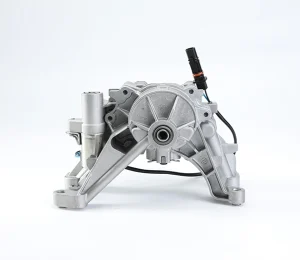
Selected applications combine an oil pump with a vacuum pump or additional housing components. Buyers should confirm the complete supplied assembly before ordering. For diagrams of oil pump housings, internal parts, drive interfaces and assembly scope, see our engine oil pump structure guide.
Engine Oil Pump Quality-Control Points
Oil pump quality review should focus on application matching, housing structure, drive compatibility, oil-passage alignment and assembly condition. The exact inspection process may vary according to the pump type and project requirement.
- OE reference and approved sample comparison
- Housing and mounting-dimension inspection
- Drive interface and gear or chain engagement review
- Inlet, outlet and oil-passage position confirmation
- Surface, casting and visible assembly inspection
- Rotor, gear or internal component review where applicable
- Integrated component and supplied-scope confirmation
- Sample approval for custom or private-label projects
- Final product and packaging inspection
Buyers can review Wellgine’s engine parts quality-control capabilities or submit project-specific inspection requirements during the quotation stage.
Frequently Asked Questions About Engine Oil Pumps
1. What information should I provide for oil pump matching?
Please provide the OE number, engine model, vehicle application, product photo, sample details or technical drawing if available. This helps us review the correct oil pump before quotation.
2. Do you supply aftermarket engine oil pumps?
Wellgine supplies selected OE-reference replacement engine oil pumps for passenger-car and light-commercial applications. Availability should be confirmed by OE reference, engine code and pump structure.
3. Can you support wholesale oil pump orders?
Yes. We support wholesale orders, mixed product purchasing and long-term supply cooperation depending on product type, quantity and project requirements.
4. Do you support custom or OEM-oriented oil pump projects?
Selected custom and OEM-oriented projects can be reviewed based on samples, drawings, OE references, target quantity and technical requirements. Feasibility should be confirmed for each project.
5. What types of oil pumps are available?
Depending on engine design, oil pumps may include chain-driven, gear-driven, crankshaft-driven or application-specific structures. Contact us with your OE number or engine details for matching support.
6. Can you help confirm the correct oil pump before ordering?
Yes. Our team can review OE numbers, engine information, photos or sample details to improve matching accuracy before order confirmation.
7. Why is the engine code important for oil pump matching?
The same vehicle model may use different engines and oil pump structures. Engine-code confirmation helps distinguish these applications before quotation.