What Are Engine Solenoid Valves?
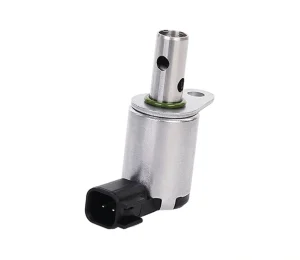
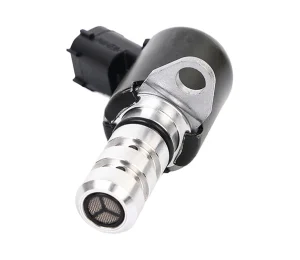
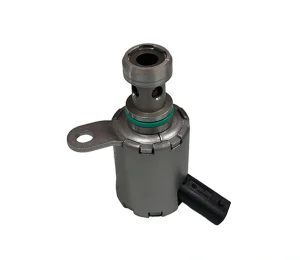
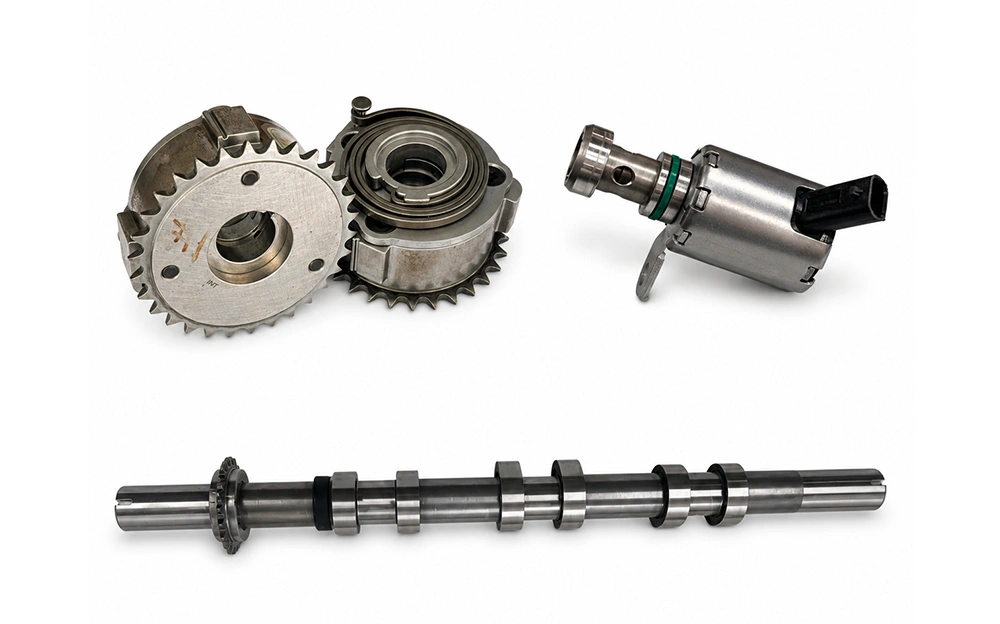
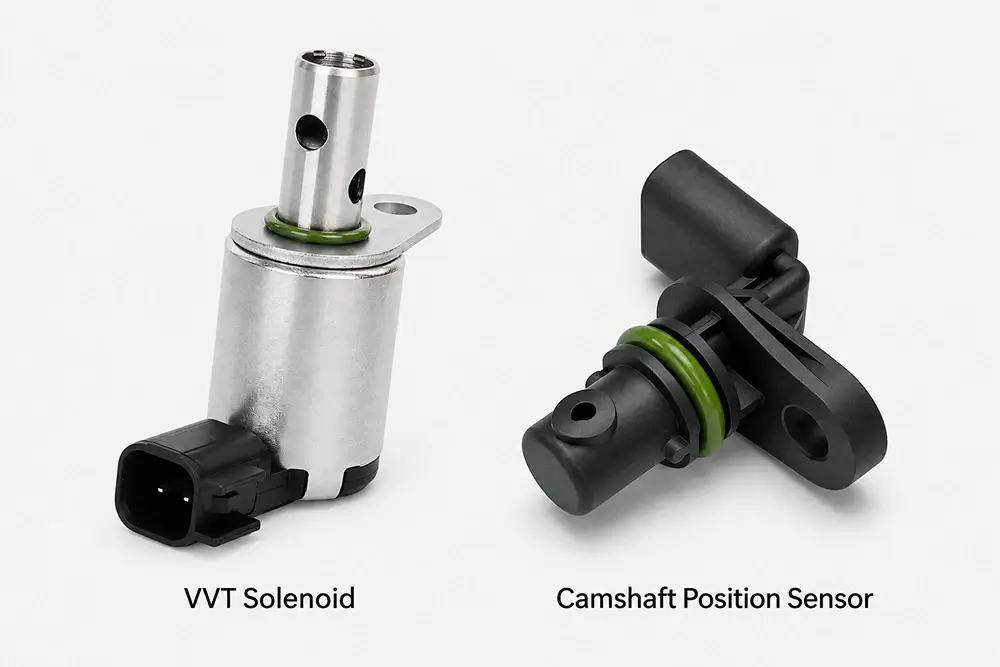
Engine solenoid valves are electronically controlled valves used to regulate oil flow in automotive engine systems. VVT solenoid valves, also known as oil control solenoid valves in many applications, control oil flow for variable valve timing systems.
VVT Solenoids, Oil Control Valves and OCV Terminology
In variable valve timing systems, a VVT solenoid may also be described as an oil control valve, OCV solenoid, camshaft oil control valve, valve timing solenoid or VVT control valve.
These terms often refer to a similar timing-related oil-control function, but they should not be treated as universal part-number equivalents. Connector design, pin configuration, valve-body dimensions, mounting points and engine application must still be confirmed.
Oil-pump control solenoids and piston oil-cooling solenoids also regulate engine oil circuits, but they perform different functions and should not be treated as interchangeable with VVT solenoids.
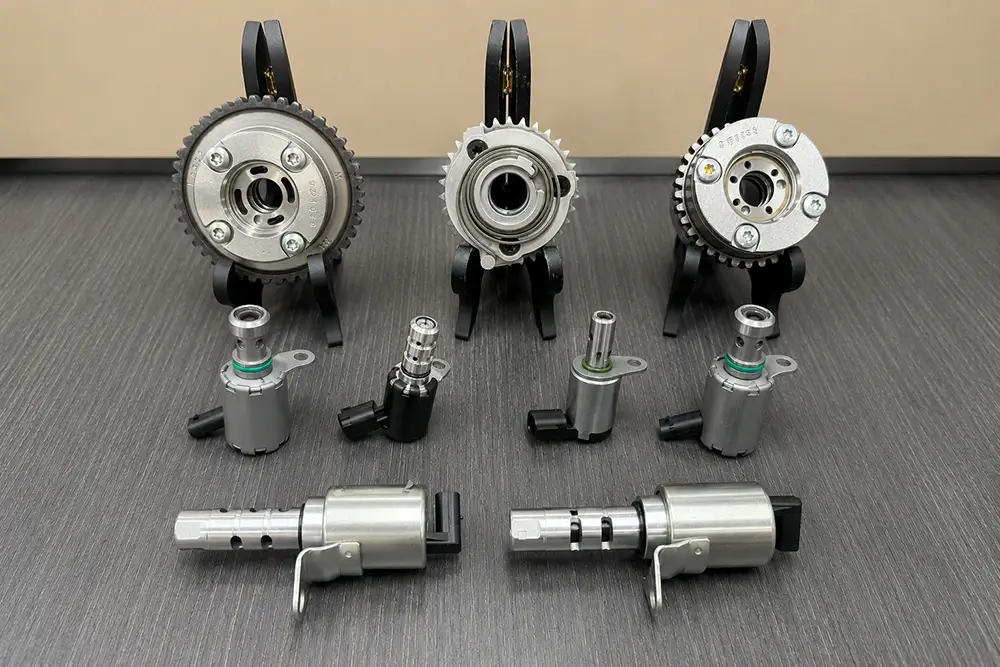
For buyers comparing timing-system components, review the difference between a VVT solenoid valve and a camshaft phaser.
How to Match an Engine Solenoid Valve
Product names alone are not sufficient for accurate solenoid valve selection. B2B buyers should compare the vehicle brand, OE reference, engine information, control function and physical structure before confirming an order.
| Confirmation point |
Why it matters |
| Vehicle brand |
Identifies the relevant brand category |
| OE or reference number |
Provides the initial cross-reference |
| Engine code |
Distinguishes engine families and generations |
| System function |
Confirms VVT, oil-pump, piston-cooling or another use |
| Connector shape |
Prevents connector mismatch |
| Pin count and layout |
Confirms electrical configuration |
| Valve-body length |
Affects installation depth |
| Mounting structure |
Confirms physical installation |
| Filter or screen design |
Helps distinguish similar valve variants |
| Product photographs |
Supports physical comparison |
| Quantity and packaging |
Supports a complete B2B quotation |
Wellgine supports engine solenoid valve sourcing through vehicle-brand review, OE-reference matching, engine-code confirmation, connector comparison and product-photo assessment. Buyers can also submit samples or technical drawings where additional application confirmation is required. Providing the original OE reference, engine code or sample details can help reduce incorrect replacement risks during sourcing.
Engine Solenoid Valve Quality-Control Points
Quality review should focus on fitment, electrical connection, valve-body structure and application-specific function. The exact inspection process may vary according to the solenoid type and project requirement.
- OE reference and approved sample comparison
- Connector shape and pin-configuration confirmation
- Valve-body and mounting-dimension inspection
- Seal, screen and visible surface inspection
- Electrical or coil testing where applicable
- Application and system-function confirmation
- Sample approval for custom or private-label projects
- Final product and packaging inspection
Buyers can review Wellgine’s engine parts quality-control capabilities or submit project-specific inspection requirements during the quotation stage. Products are manufactured at an IATF 16949-certified production facility.
OE Reference and Application Confirmation
Selecting the correct engine solenoid valve requires more than visual comparison. Buyers should confirm OE reference, engine code, system function, connector design and mounting structure before ordering.
Wellgine supports OE reference checking, application confirmation and product specification review for professional automotive buyers.
Frequently Asked Questions About Engine Solenoid Valves
1. What types of engine solenoid valves does Wellgine supply?
Wellgine supplies selected VVT solenoids, oil control valves, oil-pump control solenoids, piston oil-cooling solenoids and other application-specific engine control valves.
2. Is an oil control valve the same as a VVT solenoid?
In many variable valve timing systems, an oil control valve (OCV) refers to the solenoid that regulates oil flow for camshaft timing control. However, oil control valves and VVT solenoids should always be confirmed by OE reference, engine application and technical specifications because similar terms may describe different components.
3. Are VVT solenoids and oil-pump solenoids interchangeable?
No. They perform different system functions and may use different connectors, electrical requirements, valve-body structures and mounting arrangements.
4. How are Wellgine solenoid valve products organised?
Products are organised primarily by vehicle brand, with individual products identified by OE reference, engine code and control function.
5. What information is required for matching?
Buyers should provide the vehicle brand, OE reference, engine code, system function, connector photograph, product photograph and required quantity.
6. Why is connector confirmation important?
Similar-looking valves may use different connector shapes, pin layouts or locking structures. Connector confirmation helps prevent incorrect stock and installation mismatch.
7. Does Wellgine support wholesale and private-label projects?
Selected wholesale and private-label projects can be reviewed according to the product, quantity, packaging requirement and destination market.