Common symptoms of a bad engine oil pump include a low oil-pressure warning, abnormal ticking or knocking noises, rising engine temperature, timing-related performance problems and evidence of poor oil circulation. However, these symptoms can also be caused by low oil level, incorrect oil viscosity, blocked pickup pipes, worn bearings, sensor faults or wider lubrication-system damage.
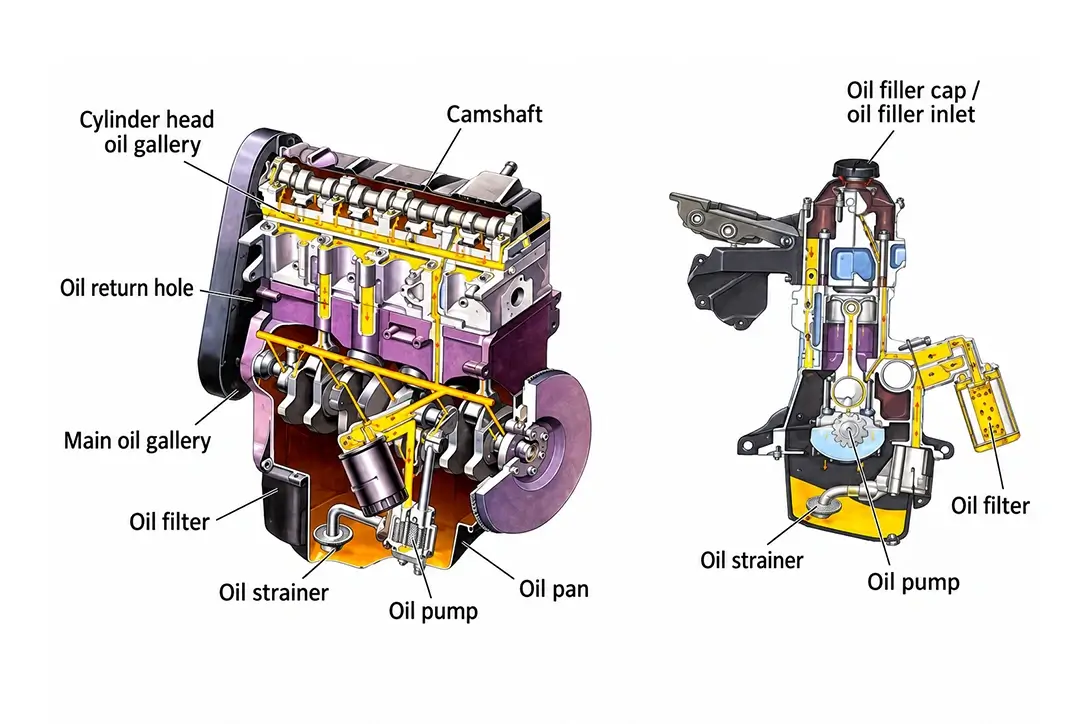
An engine oil pump is a critical component in the engine lubrication system. It circulates oil to the crankshaft, camshaft, timing components, bearings and other moving parts, helping reduce friction, control heat and support stable engine operation.
When oil delivery becomes unstable, the engine may experience abnormal wear, increased noise, overheating or serious internal damage. For B2B buyers, this is not only a technical repair issue. It is also a sourcing, application matching and quality-control issue.
Distributors, importers, wholesalers and engine parts procurement teams need to understand common oil pump failure symptoms, but they should not source replacement oil pumps based on symptoms alone. A suitable sourcing process should combine OE number matching, engine code confirmation, product-photo review, sample comparison where needed and supplier quality checks.
Bad Oil Pump Symptoms and Warning Signs
| Symptom | What it may indicate | Other possible causes |
|---|---|---|
| Low oil-pressure warning | Insufficient oil circulation or pressure | Low oil level, sensor fault, blocked pickup, bearing wear |
| Ticking, knocking or rattling | Inadequate lubrication reaching moving parts | Timing wear, valve-train problems, bearing damage |
| Increased engine temperature | Reduced lubrication and heat transfer | Cooling-system faults, low oil level, heavy engine load |
| Metal particles or contaminated oil | Internal wear or lubrication-system damage | Bearing, timing or engine-component wear |
| Timing or VVT faults | Insufficient oil pressure to timing systems | VVT solenoid, phaser, timing chain or oil-quality problems |
1. Low Oil Pressure Warning
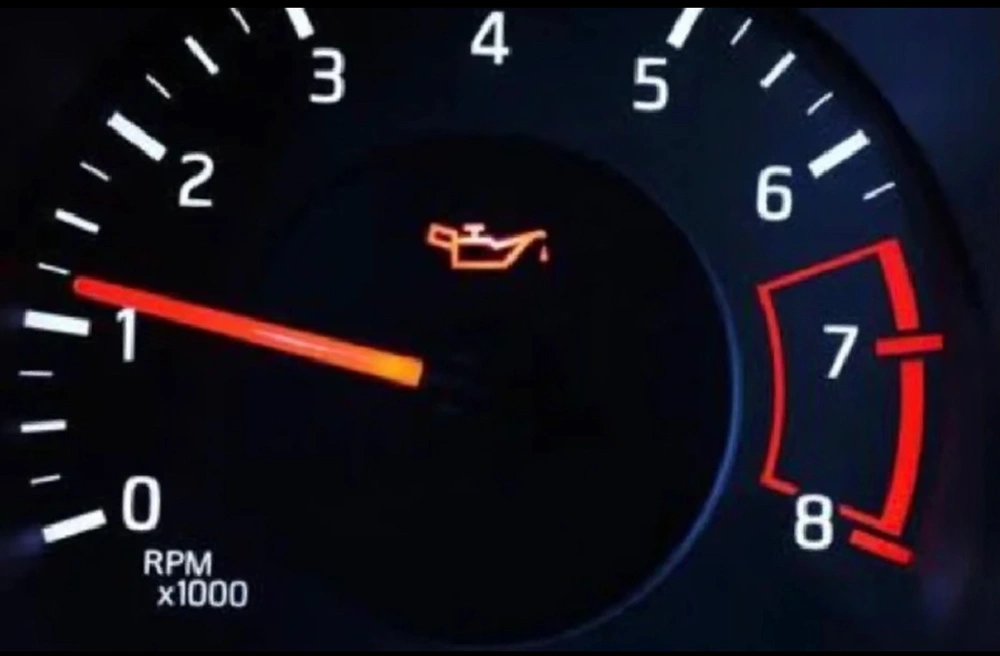
A low oil pressure warning light is one of the most common signs associated with oil pump problems. A low oil-pressure warning is a reason to inspect the lubrication system, not proof that the oil pump itself has failed. If the pump cannot circulate enough oil, the engine may not receive stable lubrication pressure.
However, low oil pressure is not always caused by the oil pump itself. It may also be caused by low oil level, incorrect oil viscosity, blocked oil passages, worn bearings, an oil pickup blockage, oil leakage or a faulty oil pressure sensor.
For B2B buyers, this distinction matters. If a market complaint is reported as “low oil pressure”, the replacement part still needs to be confirmed by OE number, application and structure. Sourcing a visually similar oil pump without verification may not solve the problem and can increase after-sales disputes.
2. What Does a Bad Oil Pump Sound Like?
A bad oil pump does not produce one unique sound. What drivers often hear is the result of insufficient oil pressure reaching the valve train, bearings or timing components. The sound may change with engine temperature and speed, but noise alone cannot confirm that the pump has failed.
- Ticking from the top of the engine may indicate insufficient lubrication reaching the valve train, but valve wear, low oil level and unsuitable oil viscosity should also be checked.
- Knocking from the lower engine may occur when bearings are not receiving sufficient lubrication. Existing bearing damage can also remain after the oil pump is replaced.
- Rattling during a cold start may involve the timing chain, tensioner, camshaft phaser or delayed oil-pressure build-up.
- Noise that becomes louder during acceleration may occur when lubrication demand increases, but this still requires an oil-pressure test and wider engine inspection.
The pump itself, its drive system, the oil pickup, pressure-relief valve and internal engine clearances should be inspected before the noise is attributed to oil pump failure.
3. Can a Bad Oil Pump Cause Overheating?
Yes, insufficient oil circulation can contribute to increased engine temperature because engine oil helps lubricate moving parts and transfer heat away from internal components. However, overheating is not specific to the oil pump and may also be caused by cooling-system faults, low coolant, restricted coolant flow, low oil level or internal engine damage.
For sourcing decisions, overheating should be treated as supporting diagnostic information rather than proof that a replacement oil pump is required.
4. Metal Particles, Sludge or Oil Contamination
A failing lubrication system may contribute to abnormal wear inside the engine. Contaminated oil, metallic particles or sludge can damage oil pump components and restrict oil flow.
When buyers receive replacement oil pump enquiries from their market, it is useful to ask whether the old engine had sludge, debris or internal wear. This information may help clarify whether the pump failed independently or was damaged by a wider lubrication problem. Contaminated oil may damage an otherwise functional pump, so metal particles or sludge do not always prove that the pump was the original cause of the lubrication failure.
5. Timing Faults or VVT Performance Problems
In some modern engines, oil pressure also supports timing-related systems and variable valve timing components. Poor oil delivery may contribute to rough idle, timing fault codes, poor acceleration or unstable engine response.
These symptoms may also involve VVT solenoid valves, camshaft phasers, timing chains or oil quality issues. Buyers should avoid assuming that one symptom always points to one component. Where timing-system components are involved, buyers should also distinguish between engine solenoid valves, camshaft phasers and the engine oil pump.
What Does an Engine Oil Pump Do?
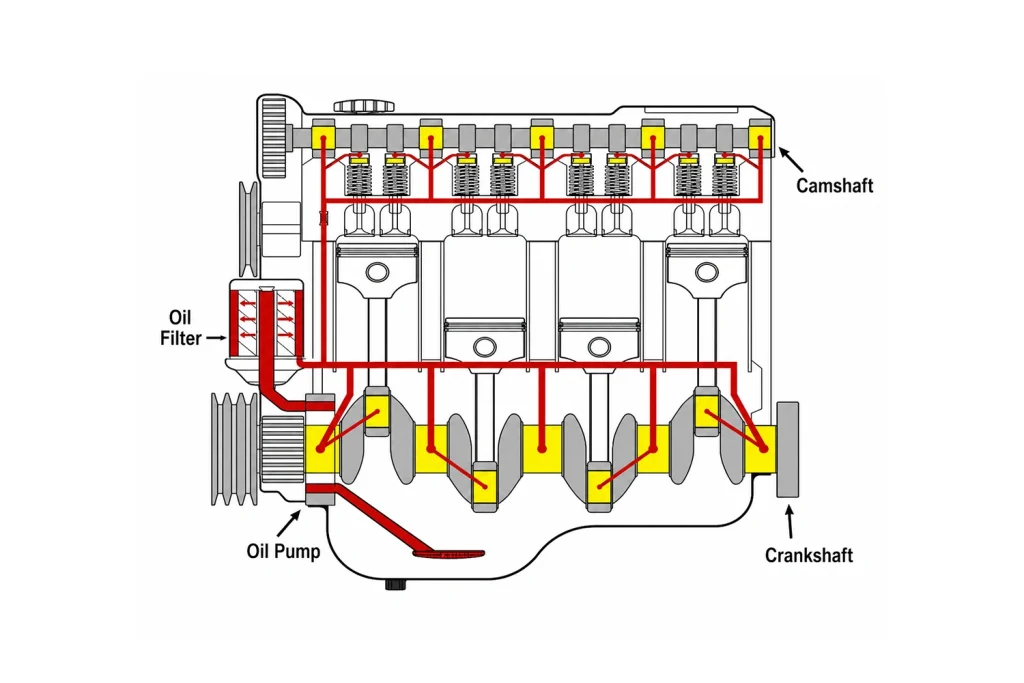
An engine oil pump moves engine oil through the lubrication circuit and helps maintain oil pressure under different operating conditions. Oil is delivered to key engine areas such as crankshaft bearings, camshafts, timing chains, valve train components and other friction surfaces.
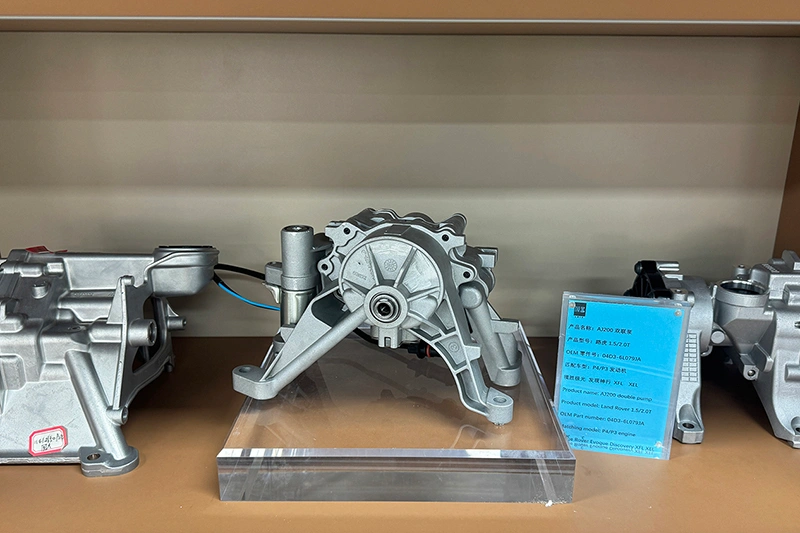
Depending on the engine design, an oil pump may be gear-driven, chain-driven, crankshaft-driven or integrated into a larger assembly. Some oil pump units may also be connected with balance shaft structures, vacuum pump units or application-specific housings.
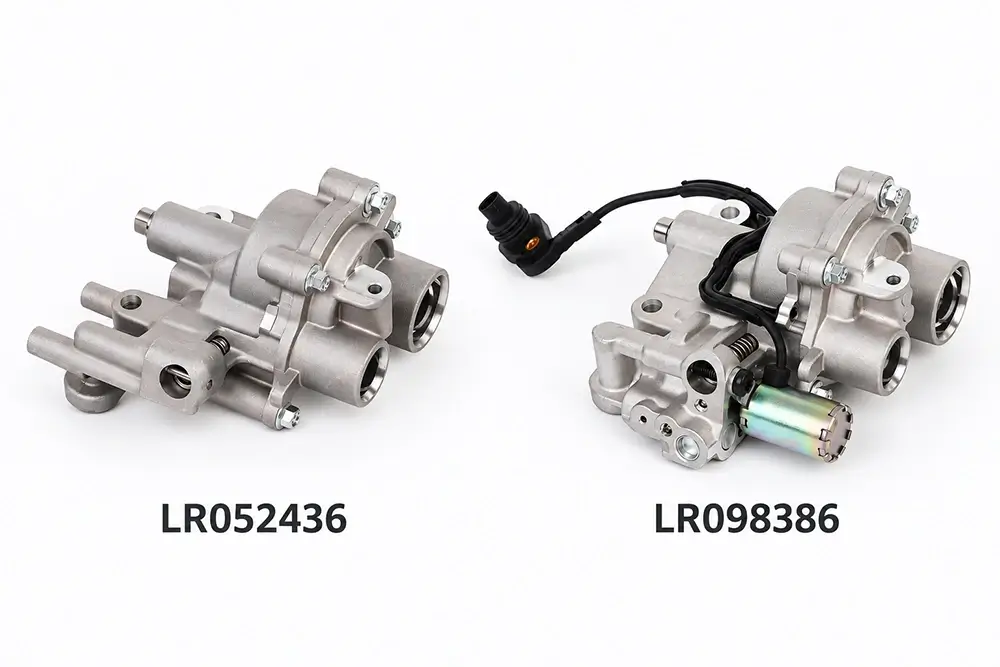
This is why a suitable replacement oil pump must match more than the general vehicle brand. It should correspond with the OE reference, engine platform, mounting structure, drive type, oil passage design and installation position.
Wellgine supplies selected engine oil pumps for passenger-car and light-commercial petrol and diesel applications, supporting OE-reference matching, engine-code review, product-photo comparison, sample confirmation and batch-order sourcing.
How to Tell if an Oil Pump Is Bad: Diagnosis Checks
No single symptom confirms oil pump failure. A suitable assessment normally considers several types of evidence together:
- Check the engine oil level, visible leakage, oil condition and specified viscosity.
- Inspect the oil-pressure sensor, connector and wiring when a warning light is present.
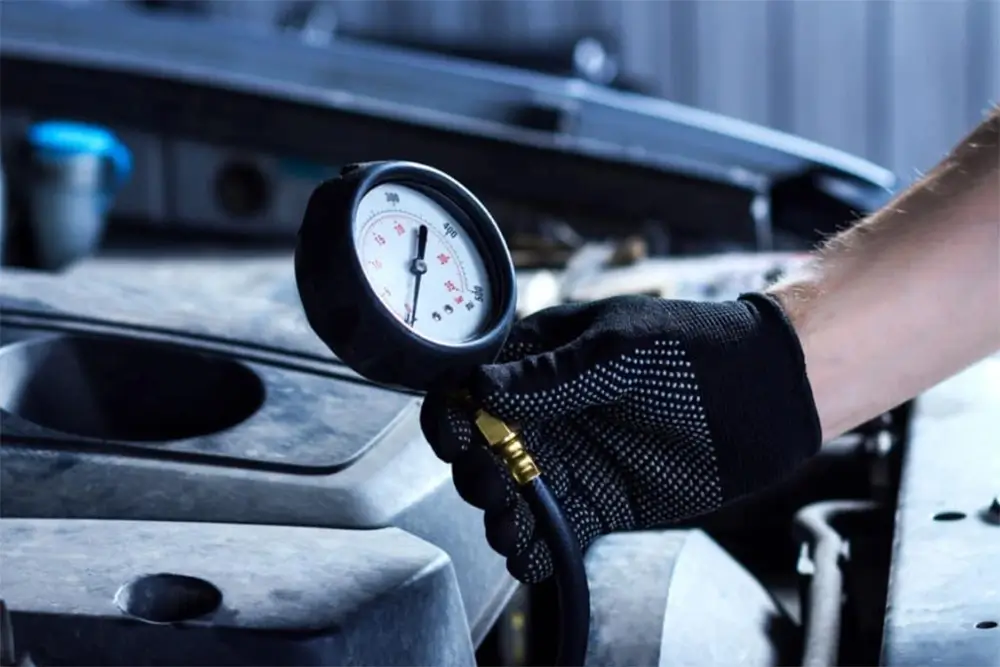
- Measure mechanical oil pressure and compare the readings with the engine manufacturer’s specification.
- Inspect the oil pickup, strainer and oil passages for blockage, sludge or contamination.
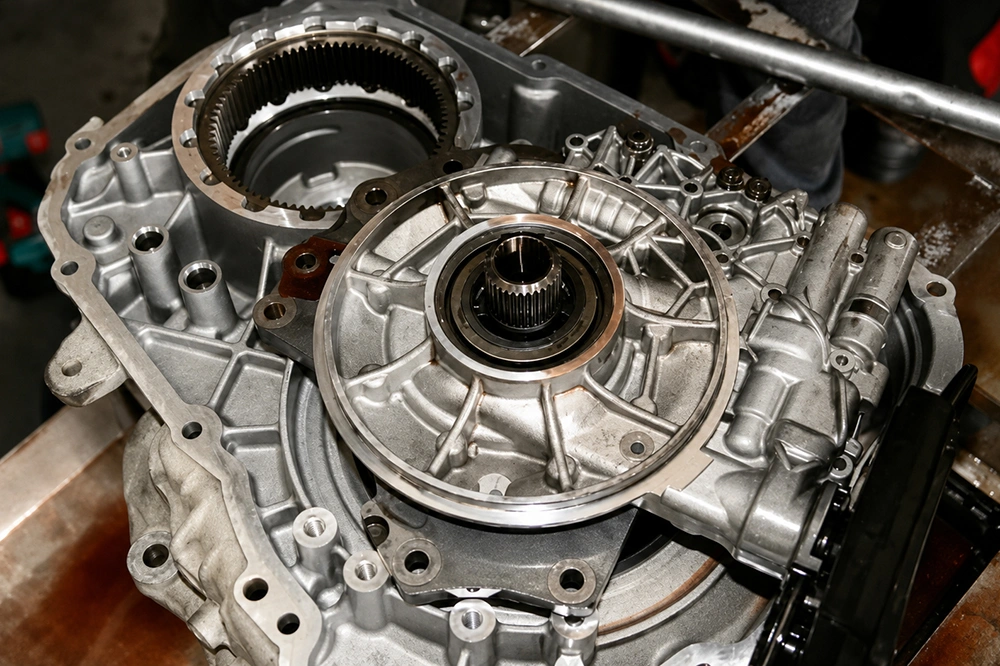
- Check the pump drive, housing, rotors or gears and pressure-relief valve for wear or damage. For the parts and assembly interfaces mentioned above, review the oil pump housing, rotor and drive structure.
- Rule out excessive bearing clearance and wider internal engine wear before confirming pump failure.
For B2B buyers, diagnosis identifies the likely lubrication-system problem, while OE-reference and structural matching identify the correct replacement product. These are related but separate steps.
Bad Oil Pump vs Oil Pressure Sensor and Other Causes
Low oil pressure does not automatically mean that the engine oil pump has failed. Several lubrication-system problems can produce similar warning lights, noises and performance symptoms.
| Possible cause | Typical evidence | What should be checked |
|---|---|---|
| Worn or damaged oil pump | Low measured oil pressure, visible pump wear or damaged drive components | Pump housing, rotors or gears, relief valve and drive system |
| Faulty oil pressure sensor | Warning light with oil pressure still within specification | Sensor signal, wiring, connector and measured mechanical oil pressure |
| Low oil level or unsuitable viscosity | Warning appears after oil loss, incorrect service or under specific temperatures | Oil level, leakage, oil grade and service history |
| Blocked pickup pipe or strainer | Restricted oil supply, sludge or contamination in the sump | Pickup screen, oil pan, oil passages and contamination |
| Excessive bearing clearance | Low pressure despite a functioning pump | Crankshaft and connecting-rod bearing condition |
| Stuck relief valve | Oil pressure remains too low or becomes unstable | Relief-valve movement, contamination and spring condition |
A qualified technician should compare measured oil pressure with the engine manufacturer’s specification before condemning the pump. Electrical faults, oil condition, pickup restrictions and internal engine wear should also be ruled out.
Can You Drive With a Bad Oil Pump?
A vehicle should not continue operating when the red oil-pressure warning remains on or when there are clear signs of inadequate lubrication. Continued driving may increase bearing, camshaft, timing-system and other internal engine damage.
The engine should be switched off and inspected. Oil level and visible leakage can be checked first, but a warning light should not be treated as proof that the pump itself has failed. Mechanical oil-pressure testing and lubrication-system inspection may be required to identify the actual cause.
Common Causes of Engine Oil Pump Failure
Oil pump damage may result from wear within the pump itself or from wider lubrication-system problems. Common contributing factors include:
- Contaminated oil, sludge or metallic debris
- Blocked oil pickup pipes or strainers
- Low oil level or unsuitable oil viscosity
- Wear in pump rotors, gears, housings or relief-valve components
- Damage to the chain, gear or crankshaft drive interface
- Incorrect installation or mismatched replacement components
- Internal engine wear affecting oil pressure
- Extended operation under inadequate lubrication conditions
The failed pump and the wider lubrication circuit should be reviewed together. Replacing the pump without addressing contamination, blockage or bearing wear may not resolve the original problem.
How B2B Buyers Should Confirm a Replacement Oil Pump
Symptoms can indicate a possible lubrication-system problem, but they cannot identify the correct replacement oil pump. Low oil pressure, abnormal noise and overheating may also result from an oil-pressure sensor fault, a blocked pickup, unsuitable oil, excessive bearing clearance or wider internal engine damage.
Before requesting a quotation, buyers should confirm the replacement pump using the following information:
| Matching point | What buyers should confirm |
|---|---|
| OE reference | Original number, replacement number and available cross-references |
| Engine code | Exact engine family, generation and displacement |
| Vehicle application | Model, production year and market specification |
| Pump drive | Chain-driven, gear-driven, crankshaft-driven or integrated design |
| Housing and mounting | Bolt positions, housing shape, installation depth and mounting surface |
| Oil-passage layout | Inlet, outlet and internal passage alignment |
| Assembly scope | Pump only or assembly with housing, balance shaft, pickup or control valve |
| Product photographs | Front, rear, mounting side, oil passages and drive structure |
| Order requirements | Quantity, packaging, branding and inspection requirements |
For a step-by-step matching workflow, see how to source engine oil pumps by OE number, engine code and application.
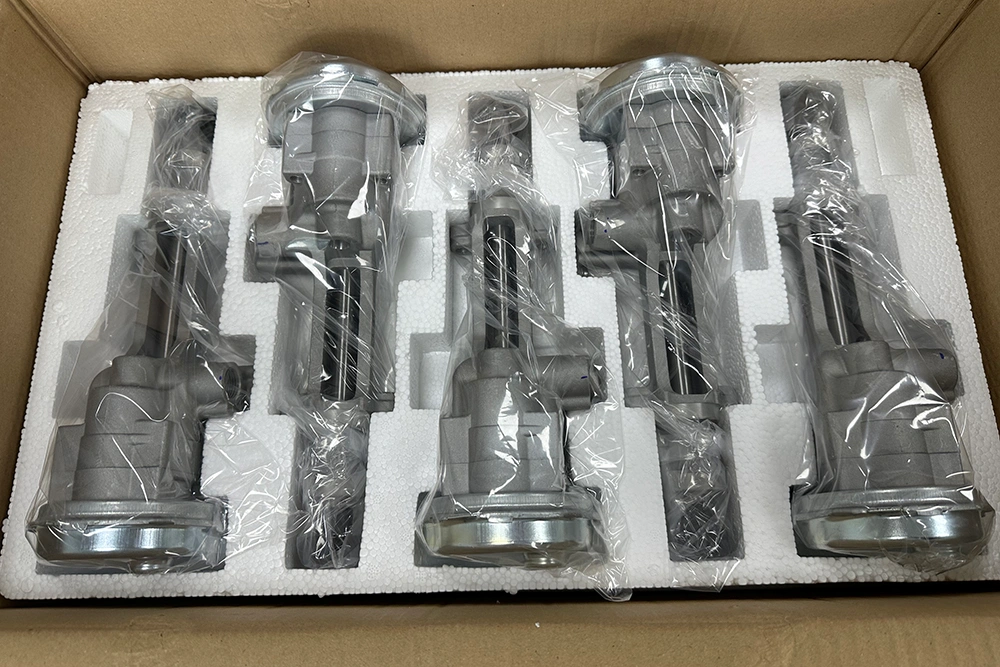
Vehicle brand or model alone is not sufficient because the same vehicle range may use several engine platforms and oil pump designs. A single product photograph is also unreliable when it does not show the drive structure, oil passages, mounting surface or complete assembly scope.
When the OE number is unavailable or unclear, buyers should provide photographs from several angles together with basic measurements. Sample confirmation may be necessary when two pumps have similar external shapes but different housing dimensions, drive components, passage layouts or internal structures.
To compare pump drive types, housings, mounting faces and supplied assembly scope, see our engine oil pump structure guide.
The condition of the failed engine should also be reviewed. Sludge, metallic debris, a blocked pickup, unsuitable oil or excessive bearing wear can damage a replacement pump or prevent it from restoring normal oil pressure. Replacing the pump without correcting the original lubrication-system problem may lead to repeated failure and after-sales disputes.
Important oil pump inspection points include:
- Housing, casting and machined-surface condition
- Rotor or gear condition and dimensional consistency
- Drive interface and mounting accuracy
- Relief-valve movement and component condition
- Oil-passage cleanliness
- Sealing surfaces and supplied seals
- Assembly completeness
- Rotation or functional inspection where applicable
Project-specific inspection requirements can be reviewed through Wellgine’s engine parts quality-control process.
For orders involving an unfamiliar reference, modified application or special assembly, buyers should request specification confirmation or provide an original sample before approving batch production.
Wellgine supports selected engine oil pump enquiries through OE-reference checking, engine-code review, product-photo comparison, sample confirmation, specification review, quality inspection and batch-order supply. Buyers should send the OE number, engine code, original-part photographs, required quantity and packaging requirements for product matching and quotation.
Frequently Asked Questions
What are common symptoms of a bad engine oil pump?
Common symptoms may include low oil pressure warning, abnormal engine noise, increased engine temperature, contaminated oil and performance problems related to poor lubrication.
What does a bad oil pump sound like?
Possible warning sounds include ticking from the valve train, knocking from poorly lubricated bearings and rattling from timing components. However, there is no single sound that confirms oil pump failure. Oil level, oil viscosity, measured oil pressure, bearing condition and timing components should also be checked.
Can a bad oil pump cause overheating?
Insufficient oil circulation can contribute to increased engine temperature, but overheating may also be caused by cooling-system faults, low coolant, low oil level or internal engine damage.
How can you tell if an engine oil pump is failing?
Oil-pump failure cannot be confirmed from one symptom alone. Low measured oil pressure, abnormal lubrication-related noise, visible pump wear, drive damage and exclusion of sensor, bearing and oil-quality problems should be considered together.
Can low oil pressure always be blamed on the oil pump?
No. Low oil pressure may also be caused by oil level, oil viscosity, bearing wear, blockage, sensor failure or other lubrication system problems.
What causes engine oil pump failure?
Common causes include contaminated oil, sludge, blocked pickups, unsuitable oil, pump wear, drive damage, incorrect installation and wider engine wear.
Why do B2B buyers need OE number matching?
OE number matching helps confirm the correct replacement part before quotation or shipment. Oil pumps may look similar but differ in housing, drive type, oil passage and pressure design.
Can Wellgine match oil pumps by photo or sample?
Yes. Customers can send OE numbers, engine codes, vehicle applications, product photos, samples or drawings for matching review and quotation support.
Discuss Your Oil Pump Sourcing Requirement
Need help confirming an engine oil pump for your market? Send your OE number, engine code, product photo, sample or quantity requirement. Wellgine will review the matching details and support quotation for suitable oil pump sourcing projects.