Before approving an engine parts batch for shipment, buyers should confirm the approved product reference, OE and application information, ordered quantity, workmanship, critical dimensions, product-specific checks, batch traceability, labels, packaging and inspection records.
The inspection should also define what happens when a defect or specification conflict is found. A batch should not be released until the responsible parties have decided whether to accept, hold, sort, rework, reinspect or reject it.
For importers, distributors, wholesalers and private-label buyers, a practical pre-shipment sequence is:
Approved specification or sample → batch and quantity verification → visual and dimensional inspection → product-specific checks → traceability, labels and packaging → inspection report → release decision.
Quick Engine Parts Batch Inspection Checklist
| Inspection item | Buyer should confirm | Required evidence | Action if non-conforming |
|---|---|---|---|
| Product identity | Correct OE reference, engine code, application and product version | Product label, photographs, approved sample or drawing | Hold the batch and reconfirm the product |
| Quantity | Order quantity, carton quantity and packing list agree | Purchase order, packing list and batch record | Correct the shortage, excess or record |
| Appearance | No cracks, dents, burrs, rust, contamination or visible damage | Inspection photographs and defect record | Sort, rework or isolate affected parts |
| Critical dimensions | Measured values meet the approved drawing, specification or sample | Measurement record with tolerance and actual result | Hold and reinspect the batch |
| Product structure | Housing, mounting face, drive, connector, ports or timing features agree | Multi-angle photographs and comparison record | Technical review before release |
| Product-specific checks | Agreed electrical, movement, sealing or other checks are complete | Test or verification record | Isolate the batch and investigate |
| Traceability | Lot, production date and product code can be traced | Batch label and production or inspection record | Complete the traceability information |
| Labels | OE reference, SKU, quantity, brand and barcode are correct | Label photographs and approved artwork | Relabel and reinspect |
| Packaging | Individual protection, inner cartons and master cartons meet requirements | Packaging photographs and packing specification | Repack before release |
| Documents | Required reports, records and certificates are complete | Document checklist | Hold the shipment until completed |
| Deviations | Any approved difference is documented | Written deviation approval | Do not release without approval |
| Final decision | Accept, hold, sort, rework, reinspect or reject | Signed or approved inspection report | Follow the recorded decision |
Define the Approved Quality Baseline Before Production
Batch inspection becomes unreliable when the product standard has not been agreed in advance. Before production, the buyer and supplier should define what the batch will be compared against.
Approved Product Specification
The approved specification should identify the product clearly and describe the requirements that matter for the project. Depending on the product, it may include:
- OE or reference number;
- engine code and vehicle application;
- product version and supplied assembly scope;
- critical dimensions and tolerances;
- material, surface or finish requirements where agreed;
- product-specific functional requirements;
- label, barcode and packaging requirements;
- required inspection records or certificates.
Buyers who are still preparing the enquiry can use the engine parts RFQ information checklist before confirming the inspection baseline.
Approved Sample or Drawing
An approved sample should have a clear identification number, approval date and related product reference. A drawing should show its revision or version. A batch should not be assessed only against an unlabelled photograph or an old sample when the product specification has changed.
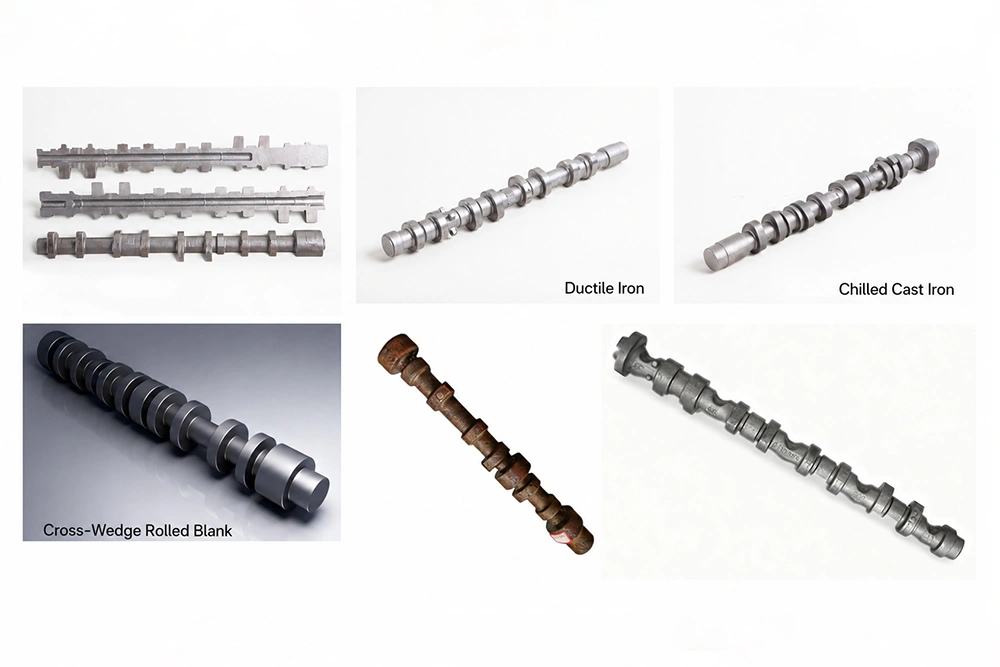
Inspection Method and Sampling Plan
The sampling level, inspection items, defect classification and acceptance criteria should be agreed before production. The appropriate plan depends on the product, order quantity, project risk and buyer requirements.
A single fixed sampling rule should not be assumed for every engine part. The written plan should state:
- which characteristics will be checked;
- how many units will be inspected;
- which tools or methods will be used;
- how critical, major and minor defects are defined;
- what result triggers a hold, expanded inspection or rejection.
Defect Classification
A practical inspection plan normally distinguishes among:
- Critical defects: issues that create an unacceptable safety, identity or fundamental functional risk.
- Major defects: issues likely to affect fitment, function, saleability or customer acceptance.
- Minor defects: limited issues that do not normally affect fitment or intended function but still fall outside the agreed standard.
The acceptance criteria for each class must be agreed for the specific project rather than assumed from a generic checklist.
Pre-Shipment Inspection Workflow
1. Verify Purchase Order and Batch Information
Start by confirming the purchase order, supplier product code, OE reference, ordered quantity, batch or lot number, destination market and packaging instructions. This prevents an inspection team from checking the wrong product or using the wrong specification.
2. Confirm Product Identity and Application
Product identity should be confirmed before dimensions or appearance are assessed. The inspection should compare the batch against the approved OE reference, engine code, application and structural details.
Examples include:
- intake versus exhaust position for a camshaft or camshaft phaser;
- mechanical versus electric design for a water pump;
- connector and pin configuration for a VVT solenoid;
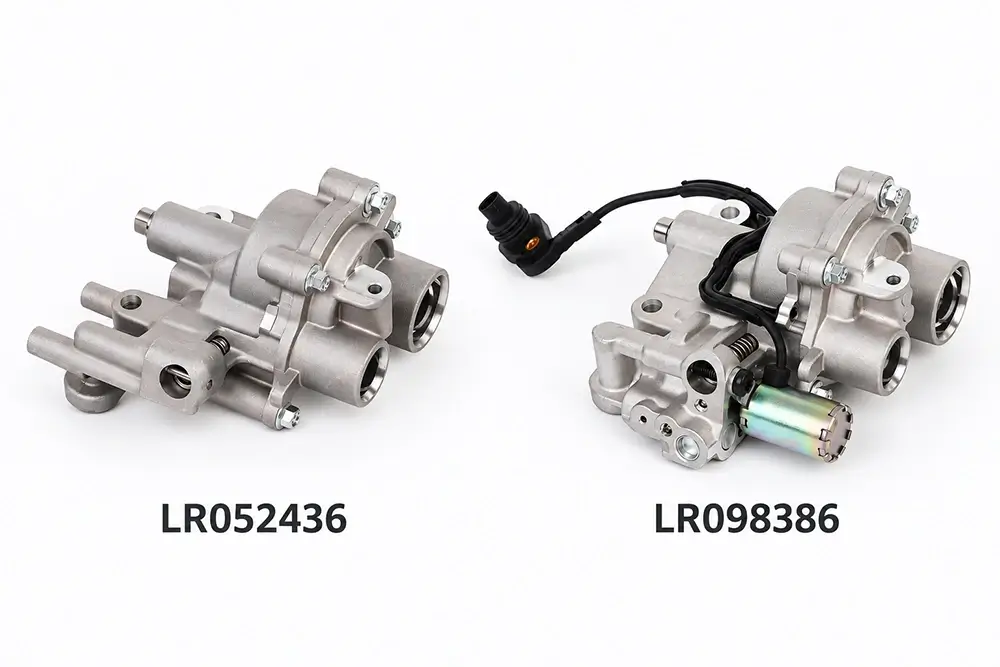
- pump-only versus complete housing or module for an oil pump;
- voltage, thread and overall length for a glow plug.
3. Inspect Workmanship and Visible Defects
Visual inspection should use defined defect examples where possible. The inspector should check for cracks, dents, burrs, rust, contamination, thread damage, damage to machined surfaces, missing components, incorrect assembly and finish problems.
Defects should be photographed and linked to the batch, product code and inspection result.
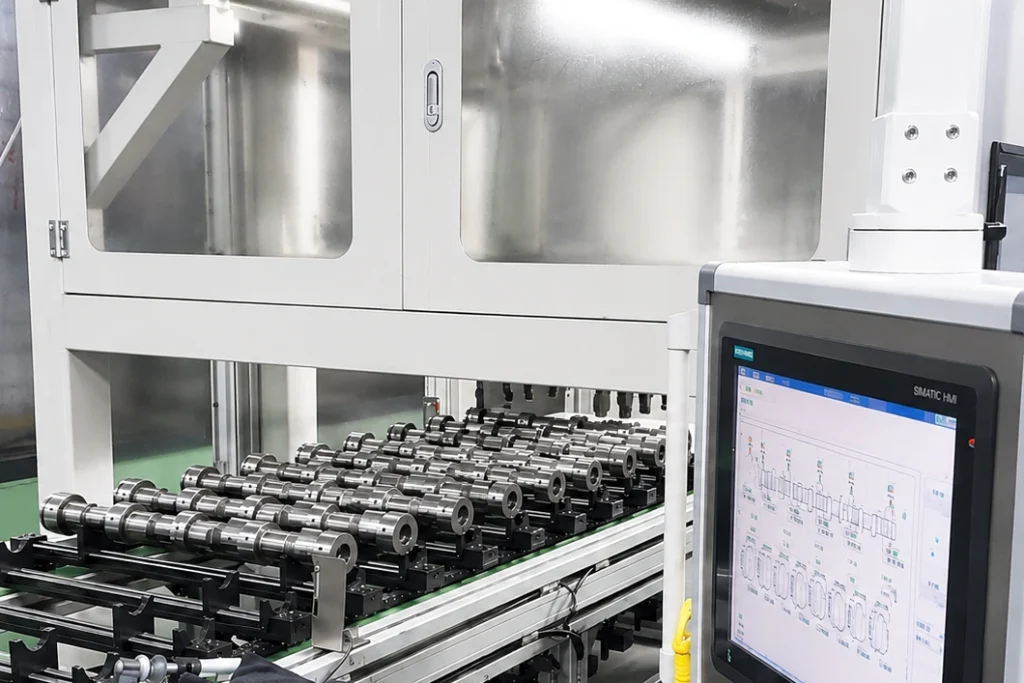
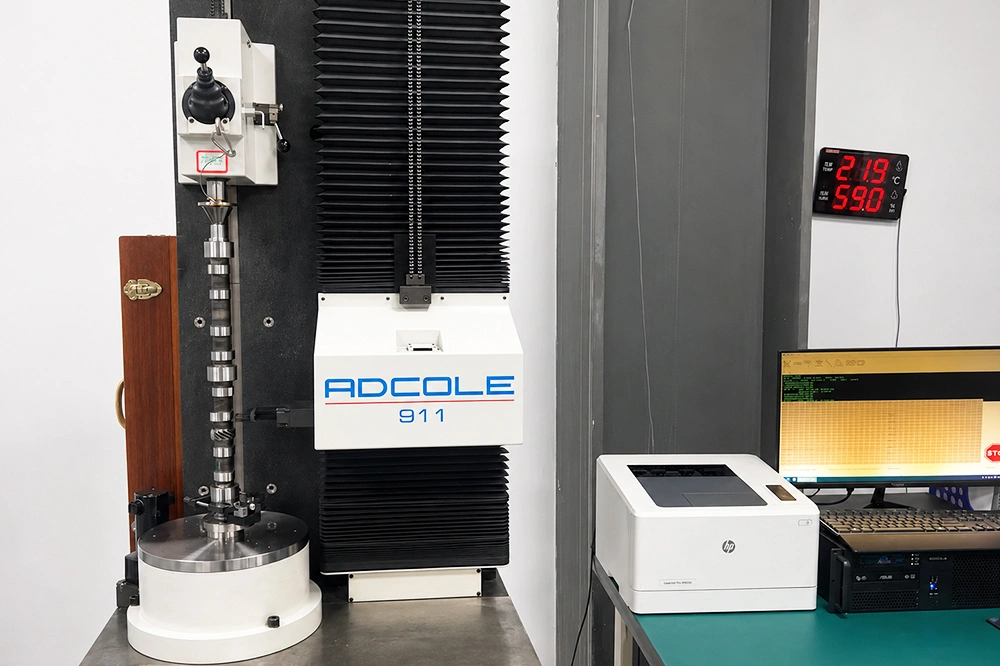
4. Verify Critical Dimensions
Dimensional checks should focus on characteristics that affect fitment, assembly or function. Each record should identify:
- measurement point;
- specified value and tolerance;
- actual result;
- measuring tool;
- inspection date;
- record or inspector reference.
5. Perform Product-Specific Checks
Functional or verification checks depend on the product and the agreed specification. The same test should not be implied for every product or every batch.
Electrical checks, movement checks, sealing checks or other verification should only be listed when they are relevant to the product and included in the agreed inspection plan. The method, sample size and result should be recorded.
6. Check Traceability and Documentation
The batch should be traceable through the information agreed for the project. This may include:
- batch or lot number;
- production date;
- supplier and buyer product codes;
- inspection and measurement records;
- deviation approvals;
- corrective-action records;
- packing list and required certificates.
For more information about Wellgine’s broader inspection and traceability approach, review the engine parts quality control capabilities page.
7. Check Labels and Packaging
Labels and packaging should be inspected as part of the batch, not as an afterthought. Check the OE reference, SKU, quantity, customer brand, barcode and market-specific information against the approved artwork or order requirement.
Packaging inspection should also confirm individual protection, separation of parts, inner-carton quantity, master-carton strength, mixed-product risk and protection for export transport.

8. Make the Release Decision
The inspection report should end with a clear decision:
- Accept: the batch meets the agreed requirements.
- Hold: the batch cannot be released until an issue is resolved.
- Sort: conforming and non-conforming units must be separated.
- Rework: an agreed correction is required before reinspection.
- Reinspect: additional or repeated inspection is required.
- Reject: the batch does not meet the agreed acceptance conditions.
Product-Specific Inspection Points
| Product family | Identity confirmation | Key structural checks | Conditional checks |
|---|---|---|---|
| Engine oil pumps | OE reference, engine code and assembly scope | Housing, mounting face, drive and oil ports | Agreed movement, assembly or oil-circuit-related verification |
| Car camshafts | OE reference, engine code and intake or exhaust position | Journal, cam profile, overall length and timing features | Agreed surface and dimensional records |
| VVT solenoid valves | OE reference, connector and pin count | Valve body, screen and connector orientation | Electrical or movement checks when specified |
| Camshaft phasers | OE reference and intake or exhaust position | Gear, locking features and timing marks | Locking or movement checks when specified |
| Car water pumps | OE reference and mechanical or electric type | Housing, impeller, mounting and connector | Sealing or movement checks when specified |
| Glow plugs | OE reference, voltage, thread and application | Thread, overall length and terminal | Resistance or electrical checks when specified |
The individual product specification remains the controlling reference. This matrix identifies typical inspection topics but does not replace the approved drawing, sample or test requirement.
What Should Happen When a Batch Fails Inspection?
| Problem | Immediate action | Follow-up action |
|---|---|---|
| Incorrect label | Hold the affected cartons | Relabel and reinspect |
| Limited visual defects | Sort the batch | Record defects and repeat the agreed sampling |
| Critical dimension outside tolerance | Isolate the batch | Technical review, rework or rejection |
| Wrong product version | Stop shipment | Reconfirm OE reference, engine code and application |
| Packaging failure | Hold the shipment | Repack and confirm with photographs |
| Missing documents | Hold release | Complete the required records |
| Repeated defect pattern | Stop release | Confirm root cause, containment and corrective action |
A supplier should not release a batch simply because a defect can be explained verbally. The disposition, responsible party and follow-up check should be recorded.
Inspection Records Buyers Should Request
The exact document package depends on the order, but buyers may agree to receive:
- batch inspection report;
- measurement record;
- visual inspection photographs;
- product-specific verification record;
- label and packaging photographs;
- deviation approval;
- corrective-action record;
- packing list;
- other certificates or records agreed for the project.
Document requirements should be agreed before production. Adding extensive new requirements immediately before shipment can delay release and create disputes about responsibility.
Common Buyer Mistakes in Batch Inspection
Using One Approved Sample Without Version Control
A sample is only useful when its identity, approval date and related specification are clear. If a product or assembly changes, the reference sample and drawing should be reviewed again.
Checking Appearance but Ignoring Product Identity
Two parts can look similar while using different OE references, engine applications, connectors, mounting faces or supplied scopes. Product identity must be confirmed before appearance is judged.
Leaving Sampling Rules Undefined
When the sample size and acceptance rules are not written, buyers and suppliers may reach different conclusions from the same batch. Agree the method before production.
Accepting Unapproved Deviations
A change in structure, material, label, packaging or assembly scope should not be accepted informally. The difference should be documented and approved by the responsible buyer before release.
Reviewing Packaging Only After Production
Private-label artwork, carton quantity, protection and transport requirements should be confirmed early. Packaging problems found at the end of production can delay the shipment even when the product itself is acceptable.
How This Checklist Fits into the Purchasing Process
- Prepare the product, OE, application and quantity information.
- Confirm the product and supplied assembly scope.
- Approve the specification, sample or drawing.
- Agree the inspection plan, records, labels and packaging.
- Complete production and identify the batch.
- Perform pre-shipment inspection.
- Record the release decision.
- Complete shipment and receiving inspection.
- Use a documented corrective-action process if a verified issue is found.
Wellgine’s engine parts manufacturing processes, quality control capabilities and custom engine parts project support provide the related commercial and capability context. This checklist is intended to help the buyer define the batch-release decision.
Frequently Asked Questions
What should be included in an engine parts inspection checklist?
The checklist should cover product identity, quantity, appearance, critical dimensions, product-specific checks, traceability, labels, packaging, required documents and the final release decision.
Is one approved sample enough for a batch order?
An approved sample can be an important reference, but it must be identified and controlled. The batch still requires checks for quantity, consistency, labels, packaging, records and any critical characteristics defined in the inspection plan.
Who should define the sampling and acceptance criteria?
The buyer and supplier should agree the criteria before production. The plan should reflect the product, batch size, project risk and documented buyer requirements.
What happens if critical dimensions are outside tolerance?
The affected batch should be isolated and shipment should be held. The parties should review the measurement, specification and cause before deciding whether to sort, rework, reinspect or reject the batch.
Which documents should be provided before shipment?
The required documents depend on the order. They may include an inspection report, measurement record, photographs, label and packaging confirmation, packing list and any certificates agreed for the project.
When should a batch be held or reinspected?
A batch should be held when product identity, dimensions, product-specific checks, traceability, labels, packaging or documents contain an unresolved difference. Reinspection should follow an agreed correction, expanded check or other disposition.
Discuss Your Batch Inspection Requirements
To prepare a batch inspection discussion, send:
- product type and OE reference;
- engine code or application;
- order quantity;
- approved specification, sample or drawing;
- critical inspection items;
- sampling and documentation requirements;
- label and packaging requirements;
- destination market.
Discuss engine parts batch inspection requirements with Wellgine.